
14 Nov

What Home Inspections Can Reveal Before Small Problems Become Major Repairs

A home can look perfectly fine on the surface while hiding problems that may become expensive over time. Small leaks, deteriorating roofing materials, aging electrical components, and inefficient heating or cooling equipment are often easy to overlook during everyday life.

A thorough home inspection can help identify these concerns before they develop into larger repairs. Whether someone is buying a property or maintaining a home they already own, regular inspections can provide valuable information about the condition of important systems.

Hidden Plumbing Problems

Plumbing issues do not always begin with a major leak. Slow drips, loose connections, aging pipes, and small areas of corrosion can gradually cause water damage behind walls, under cabinets, or beneath flooring.

Inspectors may notice signs such as water stains, unusual moisture levels, poor drainage, reduced water pressure, or deteriorated plumbing components. When these warning signs appear, a qualified sudbury plumber can investigate the system more closely and determine whether repairs are necessary.

Catching a minor leak early can help prevent mold growth, damaged drywall, weakened flooring, and other costly problems.

Roofing Damage That Is Easy to Miss

A roof protects nearly every other part of a home, yet many roofing problems are difficult to recognize from the ground.

Inspections may reveal damaged shingles, deteriorated flashing, improper drainage, worn sealants, or evidence of previous leaks. Even small areas of deterioration can allow moisture to enter the attic and eventually affect insulation, ceilings, and structural materials.

Companies such as Elite Roofing Pros LLC may be consulted when an inspection identifies roofing concerns that require professional evaluation or repair.

Heating and Cooling System Issues

HVAC equipment can continue operating even when it is no longer working efficiently. Dirty components, aging parts, poor airflow, refrigerant issues, and worn equipment can all increase energy consumption or place unnecessary strain on the system.

An inspection may uncover unusual noises, uneven temperatures, poor ventilation, dirty filters, or equipment that appears to be approaching the end of its useful life.

Working with a tucson hvac contractor can help homeowners determine whether routine servicing, component replacement, or a more extensive system upgrade is appropriate.

Problems With Ductwork and Ventilation

The equipment itself is only one part of a home’s heating and cooling system. Ductwork, vents, insulation, and airflow also influence indoor comfort and energy efficiency.

Disconnected ducts, air leaks, blocked vents, or inadequate insulation can make the HVAC system work harder than necessary. In some cases, homeowners exploring hvac services north vancouver may need assistance with airflow testing, duct repairs, maintenance, or other improvements that support more reliable performance.

Ventilation problems can also contribute to excessive indoor humidity and poor air quality.

Electrical Concerns

Electrical problems can remain unnoticed until a circuit stops working or a more serious safety issue develops.

Home inspections may identify outdated panels, loose outlets, damaged wiring, overloaded circuits, missing safety devices, or improperly completed electrical modifications. Older homes may be particularly likely to contain electrical components that no longer meet modern household demands.

Because electrical systems can be hazardous, significant concerns should always be evaluated by a qualified electrician rather than repaired without proper training.

Moisture and Water Intrusion

Water is one of the most common causes of hidden property damage. Moisture can enter through roofing materials, foundations, windows, plumbing systems, or poorly sealed exterior surfaces.

Inspectors may find staining, peeling paint, warped materials, mold-like growth, or elevated moisture levels. These signs can help locate a problem before extensive structural damage occurs.

Drainage around the foundation should also be checked because standing water can eventually contribute to basement leaks and foundation deterioration.

Foundation and Structural Warning Signs

Small cracks do not always indicate a serious structural problem, but they should still be evaluated carefully.

Inspectors may look for uneven floors, sticking doors, foundation cracks, damaged support beams, or unusual movement in walls and ceilings. These conditions can sometimes indicate settlement, moisture problems, or structural stress.

Early evaluation provides homeowners with more options for managing the issue before additional damage occurs.

Exterior Maintenance Concerns

Siding, windows, gutters, decks, and exterior trim are constantly exposed to weather. Over time, moisture, sunlight, temperature changes, and insects can cause deterioration.

An inspection can reveal damaged caulking, rotting wood, clogged gutters, loose siding, or gaps around windows and doors. Addressing these smaller maintenance concerns can help protect the building envelope and reduce the risk of water entering the home.

Why Early Detection Matters

Many expensive home repairs begin as relatively small problems. A minor plumbing leak can damage flooring, a loose roof flashing detail can lead to ceiling damage, and neglected HVAC maintenance can eventually contribute to equipment failure.

Home inspections give homeowners an opportunity to identify these concerns sooner. Repairs completed during the early stages of a problem are often simpler and less disruptive than those required after significant damage has occurred.

Protecting the Home Over Time

Home inspections should not be viewed only as part of the buying process. Periodic evaluations can also be useful for homeowners who want to understand how their property is aging and which maintenance tasks should receive priority.

By paying attention to plumbing, roofing, electrical systems, heating and cooling equipment, moisture, structural conditions, and exterior materials, homeowners can address small problems before they become major repairs. This proactive approach can help protect both the condition of the property and the long-term cost of homeownership.

07 Nov

The Home Glow-Up Projects You’ll Be Glad You Started

Giving your home a glow-up does not have to mean tearing everything apart and starting over. Some of the most satisfying improvements are the ones that quietly make everyday life more comfortable, organized, and visually appealing.

The best projects often combine style with function. A refreshed bathroom, better lighting, improved heating and cooling, or a repaired roof may not seem glamorous at first, but these upgrades can completely change how a home feels and performs.

Refresh the Bathroom

Bathrooms are among the easiest places to notice signs of age. Worn fixtures, outdated finishes, poor lighting, and small plumbing issues can make the space feel tired.

Simple updates such as a new mirror, modern faucet, fresh caulk, updated lighting, and better storage can create an immediate improvement. If there are leaks, drainage problems, or fixture issues, it may be worth consulting plumbers windsor ontario before beginning cosmetic changes.

Taking care of the practical details first helps ensure that the finished bathroom looks good and functions properly.

Upgrade Heating and Cooling

A beautiful home is much less enjoyable when certain rooms are always too warm or too cold.

Improving HVAC performance can make a significant difference in everyday comfort. Routine maintenance, thermostat upgrades, ductwork improvements, and replacement of aging equipment may help create more consistent temperatures throughout the house.

Homeowners exploring heating and cooling upgrades can look to https://www.aristohvac.com/ when considering ways to improve indoor comfort and system efficiency.

Fix Plumbing Problems Before They Grow

Small plumbing problems are easy to ignore until they become inconvenient or expensive.

Slow drains, dripping faucets, running toilets, low water pressure, and minor leaks should be addressed early. Moisture can damage cabinets, walls, flooring, and structural materials when problems are allowed to continue.

Professional services such as https://chathamplumbing.ca/ can help homeowners address plumbing concerns before moving on to decorative improvements.

A home glow-up feels much more successful when the systems behind the walls are working properly.

Give the Kitchen a Mini Makeover

You do not necessarily need a complete kitchen renovation to create a noticeable transformation.

Painting cabinets, replacing hardware, installing a new backsplash, updating lighting, or refreshing countertops can all change the room’s appearance. Adding better storage can also make the space feel less cluttered.

Consider which parts of the kitchen cause the most frustration and start there. A few practical improvements can sometimes make the room feel almost entirely new.

Repaint the Walls

Fresh paint is one of the simplest ways to change the atmosphere of a home.

Light neutrals can brighten darker rooms, while warmer shades can create a cozy feeling. Accent walls can introduce personality without requiring an entire room to be repainted.

Before painting, repair small cracks, nail holes, or damaged drywall. Proper preparation usually makes the finished result look much more polished.

Improve Your Lighting

Lighting can completely change the mood of a room.

Replacing old fixtures with cleaner, more modern options can instantly refresh kitchens, bedrooms, hallways, and living areas. Adding lamps, under-cabinet lights, or dimmers can create more flexibility.

Try combining ambient, task, and accent lighting rather than relying on a single overhead fixture. This can make rooms feel warmer and more comfortable.

Give Your Floors Some Attention

Worn flooring can make an otherwise attractive room feel dated.

Depending on the material, you may be able to refinish, polish, deep clean, or repair the existing floor rather than replace it. New flooring can be worthwhile in areas with extensive damage or materials that no longer suit your lifestyle.

Area rugs can also add softness, color, and definition to open spaces without requiring permanent changes.

Create a More Organized Entryway

Your entrance sets the tone for the rest of your home.

A small bench, hooks, baskets, or shoe storage can help prevent clutter from spreading into living areas. Updating the light fixture, painting the front door, or replacing worn hardware can also give the entrance a quick visual boost.

The goal is to create a space that feels welcoming while still handling everyday necessities.

Add More Useful Storage

One of the best home glow-ups is simply making clutter easier to control.

Floating shelves, closet organizers, drawer dividers, built-in cabinets, and under-bed storage can help make better use of available space. Kitchens, bathrooms, and entryways often benefit most from these upgrades.

Storage should be placed where items are actually used so that staying organized feels natural rather than difficult.

Update the Exterior

The outside of your home deserves attention too.

Power washing walkways, refreshing mulch, trimming shrubs, repainting exterior trim, and replacing outdated house numbers can all improve curb appeal.

These relatively small projects can create a much stronger first impression without requiring major construction.

Take Care of the Roof

Roofing may not be the most exciting part of a home makeover, but it protects nearly everything underneath it.

Missing shingles, damaged flashing, leaks, and worn materials should be addressed before water reaches ceilings, insulation, or walls. If your roof shows signs of deterioration, a spokane roofing company can help evaluate whether repairs or more extensive work may be necessary.

Taking care of essential maintenance can prevent your glow-up budget from being redirected toward emergency repairs later.

Make the Bedroom Feel More Relaxing

A bedroom should feel like a retreat rather than another unfinished project.

Fresh paint, softer lighting, updated bedding, better curtains, and improved organization can completely change the atmosphere. You might also rearrange furniture to create a more open layout.

Small details such as matching nightstands, wall art, or a comfortable rug can make the room feel more intentional.

Refresh Outdoor Living Areas

Patios, balconies, decks, and yards can become some of the most enjoyable parts of a property with a little attention.

Add comfortable seating, outdoor lighting, planters, and weather-resistant textiles. Clean or repair existing surfaces before investing in decorative features.

Even a small outdoor corner can become an inviting place for coffee, reading, or spending time with friends.

Upgrade Small Details

Sometimes the smallest improvements have the biggest visual effect.

Replacing switch plates, cabinet handles, faucets, door hardware, and worn trim can make rooms feel more finished. These projects are usually inexpensive and can often be completed gradually.

Keeping finishes relatively consistent throughout the home can also create a more cohesive look.

Focus on Projects That Improve Daily Life

A successful home glow-up is not about chasing every design trend. It is about making your home work better for the way you actually live.

Start with the projects you will notice every day, whether that means improving indoor comfort, fixing a frustrating plumbing issue, creating better storage, or making your bedroom feel more relaxing.

When practical upgrades and thoughtful design come together, even modest projects can make your home feel fresher, more comfortable, and much more enjoyable to live in.

15 Oct

Why Follow-Up Inspections May Be Necessary

A property inspection provides valuable information about a home or commercial building, but one visit does not always tell the entire story. Some defects are hidden, certain systems cannot be fully tested under the conditions of the initial inspection, and repairs may need to be verified after they are completed.

A follow-up inspection gives buyers, owners, and property managers another opportunity to confirm the condition of the building. It can help determine whether repairs were completed properly, whether new problems have appeared, and whether specialized evaluation is still required.

Repairs Need to Be Verified

One of the most common reasons for a follow-up inspection is to confirm that agreed-upon repairs were completed. A seller or contractor may provide invoices or photographs, but those documents do not always show the quality or completeness of the work.

An inspector can revisit the affected areas and determine whether the original issue has been corrected. For example, repaired leaks, damaged trim, or deteriorated wall surfaces may need to be checked before cosmetic work from a company such as https://svobodapainting.com/ is considered complete.

Verification is especially important when the repair involves safety, moisture, structural stability, or a major building system.

Some Problems Are Hidden at First

Not every defect is visible during the initial inspection. Furniture, stored belongings, weather conditions, inaccessible spaces, and recently applied finishes may limit what an inspector can evaluate.

A follow-up visit may reveal moisture stains, cracks, pest damage, loose materials, or drainage concerns that were not visible before. In some cases, removing damaged finishes or opening part of a wall exposes a larger problem than expected.

Hidden defects are more common in older properties and buildings with a history of deferred maintenance.

Weather Can Affect Inspection Results

Certain components are difficult to test in unsuitable weather. A roof may not be safely accessible during heavy rain, snow, or strong wind. Air-conditioning equipment may also be difficult to evaluate accurately when outdoor temperatures are too low.

A follow-up inspection may therefore be scheduled under more appropriate conditions. For instance, a recently completed lawrenceville air conditioning installation may need to be tested when the system can operate through a full cooling cycle.

Seasonal systems should be evaluated when conditions allow them to perform normally.

Specialized Contractors May Find Additional Issues

A general inspector identifies visible concerns across many parts of a property, but some findings require a specialist. Electricians, plumbers, roofers, engineers, providers of heating & cooling services in Arlington, TX, and pest professionals may uncover additional details during their own evaluations.

The results of those specialist inspections may justify another review. A contractor might repair one damaged component but discover that nearby materials are also affected.

Follow-up inspections help confirm that the full scope of the problem has been addressed rather than only the most obvious symptom.

Structural Repairs Require Careful Review

Structural work should be checked because mistakes can affect the safety and stability of the building. Foundation repairs, wall modifications, beam replacements, and framing changes may require engineering plans, permits, and municipal approval.

A builder such as Tallaksen Builders may perform renovation or construction work, but the owner should still confirm that completed repairs match the approved scope and applicable standards.

Inspection records, permits, and engineering documentation can provide additional evidence that the work was completed correctly.

Exterior Improvements May Need Rechecking

Exterior components are continually exposed to weather and ground movement. Fences, gates, decks, retaining walls, siding, and drainage systems may shift or develop problems shortly after installation.

Work performed by https://kingfenceconstruction.com/ may need to be reviewed for alignment, stability, gate operation, post installation, and proper clearances. A follow-up inspection may identify loose hardware, movement, or drainage conflicts before they become more serious.

Exterior projects should also be checked after severe storms or significant temperature changes.

Moisture Problems Can Return

Water intrusion is sometimes difficult to diagnose because the visible stain may be far from the actual source. A roof, pipe, window, foundation, or drainage repair may appear successful until the next period of heavy rain.

A follow-up inspection can determine whether the area remains dry and whether damaged materials are recovering properly. Moisture meters, thermal imaging, and visual checks may be used to identify continuing concerns.

Repeated moisture can lead to mold, rot, damaged insulation, and poor indoor air quality, so confirmation is important.

Deck Repairs and Finishes Need Time to Settle

Decks require regular inspection because they are exposed to rain, sunlight, foot traffic, and temperature changes. Repairs involving boards, railings, stairs, and supports should be checked for movement and secure connections.

Finishes may also need review after curing. Professional deck stainers can improve the appearance and protection of the surface, but the underlying wood should be dry, sound, and properly prepared before treatment.

A follow-up inspection can identify peeling, uneven absorption, trapped moisture, or structural problems that should be corrected.

Safety Issues Deserve Confirmation

When the first inspection identifies a safety concern, a second visit may be necessary to confirm that the hazard no longer exists. Examples include exposed wiring, loose railings, faulty smoke alarms, damaged stairs, gas leaks, and unstable structures.

These issues should not be accepted as resolved based only on a verbal statement. Direct verification provides greater confidence that occupants can use the property safely.

Documentation of completed safety repairs may also be useful for insurers, lenders, tenants, and future buyers.

New Construction Can Develop Defects

Follow-up inspections are not limited to older properties. New homes and recently renovated buildings can develop defects as materials settle and systems begin operating.

Common issues may include drywall cracks, sticking doors, minor leaks, drainage problems, loose fixtures, and uneven flooring. Some builders provide warranty periods during which these defects can be reported.

An inspection before the warranty expires can help owners document problems and request corrections while coverage is still available.

Municipal Approval May Not Be Enough

A municipal inspection usually focuses on compliance with specific codes and permit requirements. It may not evaluate every aspect of workmanship, finish quality, or long-term performance.

A property may pass an official inspection while still having issues that deserve attention. Independent follow-up inspections can provide a broader assessment based on the owner’s concerns and the original inspection findings.

Both types of inspection can be valuable, but they serve different purposes.

Buyers May Need Reassurance Before Closing

In a real estate transaction, follow-up inspections can give buyers confidence before they complete the purchase. If major concerns were found during the first inspection, buyers may want proof that repairs are complete and professionally performed.

A reinspection can also help prevent misunderstandings between buyers and sellers. Instead of relying on assumptions, both parties can refer to a written report describing the current condition of the property.

This may reduce disputes after closing.

Property Managers Can Confirm Contractor Performance

Commercial owners and property managers often rely on multiple contractors for ongoing maintenance. Follow-up inspections provide a way to evaluate completed work and ensure that the original problem was fully resolved.

This is especially useful for recurring leaks, HVAC failures, exterior damage, and tenant safety concerns. Consistent verification can improve contractor accountability and produce more reliable maintenance records.

Photographs, invoices, and inspection reports should be stored together for future reference.

Follow-Up Inspections Support Better Planning

A second inspection may also help owners prioritize future work. Once urgent repairs are completed, the inspector can identify remaining maintenance needs and recommend a practical sequence.

This information can support budgeting for roofing, electrical upgrades, exterior finishes, drainage improvements, and mechanical replacements.

A property rarely needs every improvement at once. Follow-up assessments help distinguish immediate concerns from projects that can be scheduled later.

When to Schedule a Follow-Up Inspection

A follow-up inspection may be appropriate when:

  • Major repairs were completed after the first inspection
  • Parts of the property were previously inaccessible
  • Weather prevented full testing
  • Water intrusion needs to be monitored
  • A specialist found additional problems
  • Safety concerns required correction
  • New construction is approaching the end of its warranty
  • The buyer wants confirmation before closing

The timing depends on the type of repair. Some work can be checked immediately, while moisture repairs, drainage changes, and exterior finishes may need time or appropriate weather conditions before they can be evaluated properly.

Conclusion

Follow-up inspections may be necessary because property conditions can change and initial inspections have practical limitations. They help verify repairs, uncover hidden defects, confirm safety improvements, and evaluate work under better conditions.

A second inspection can also provide stronger documentation and greater confidence for buyers, owners, and property managers. By confirming that problems were fully corrected, follow-up inspections reduce uncertainty and help protect the building’s safety, value, and long-term condition.

13 Oct

The Benefits of Routine Inspections for Commercial Properties

Commercial properties experience constant use, exposure to weather, and gradual wear. Even when a building appears to be in good condition, hidden problems may be developing behind walls, above ceilings, beneath roofing materials, or within mechanical systems.

Routine inspections help property owners and facility managers identify these issues early. A consistent inspection schedule can improve safety, reduce repair costs, support regulatory compliance, and protect the long-term value of the property.

Identify Problems Before They Become Expensive

One of the greatest benefits of routine inspections is early detection. Small problems are usually easier and less expensive to repair than major failures.

A minor roof leak, for example, may initially require only a localized repair. If ignored, it can damage insulation, ceilings, electrical systems, flooring, and stored equipment. Similarly, a small plumbing leak can eventually cause mold, structural deterioration, and high water bills.

Regular inspections allow maintenance teams to address problems before they spread to other parts of the building.

Improve Safety for Occupants and Visitors

Commercial property owners have a responsibility to maintain safe conditions for employees, customers, tenants, contractors, and visitors. Inspections can reveal hazards such as loose railings, damaged stairs, uneven flooring, blocked exits, exposed wiring, and poor lighting.

Parking areas, sidewalks, loading zones, and entrances should also be checked for cracks, potholes, ice risks, and drainage problems. Correcting these hazards can reduce the likelihood of injuries and liability claims.

Safety inspections are especially important in high-traffic buildings where small defects can affect many people.

Protect the Building Structure

Structural problems can develop slowly and may not be immediately visible. Cracks, movement, moisture intrusion, corrosion, and damaged supports can weaken parts of a building over time.

Routine inspections can identify changes in walls, foundations, roofs, beams, and exterior surfaces. When warning signs appear, a qualified engineer or contractor can evaluate the severity of the problem.

Services such as london forestry mulching may also be useful when overgrown vegetation, unmanaged land, or invasive growth around a commercial site begins affecting drainage, access, visibility, or fire safety.

Extend the Life of Building Systems

Heating, ventilation, air conditioning, plumbing, and electrical systems represent major investments. Regular inspections and preventive maintenance can help these systems operate reliably for longer periods.

Technicians can check for worn components, leaks, unusual noises, damaged connections, and declining performance. Replacing a small part before it fails may prevent a complete system shutdown.

Well-maintained equipment also tends to operate more efficiently, which may help reduce energy and operating costs.

Reduce Unexpected Downtime

Unexpected building failures can interrupt business operations. A broken HVAC system, electrical outage, plumbing failure, or damaged roof may force a company to close part or all of the property. Scheduling air conditioning services in Alameda can help businesses address cooling system problems before they lead to larger disruptions.

Routine inspections make it easier to plan repairs during less disruptive periods. Property managers can arrange work outside business hours, notify tenants in advance, and prepare temporary alternatives when necessary.

Planned maintenance is usually less stressful and less costly than an emergency response.

Support Regulatory Compliance

Commercial buildings may be subject to building codes, fire regulations, accessibility standards, environmental requirements, and workplace safety rules. Routine inspections help property owners confirm that required systems remain functional and compliant.

Fire alarms, extinguishers, emergency lighting, exit signs, sprinkler systems, elevators, and accessibility features may require regular testing or certification.

Keeping accurate inspection records can also demonstrate that the owner took reasonable steps to maintain the property.

Improve Energy Efficiency

Inspections can identify areas where energy is being wasted. Common examples include damaged insulation, air leaks, inefficient lighting, malfunctioning thermostats, and poorly maintained HVAC equipment.

Correcting these problems can reduce utility costs and improve indoor comfort. Energy inspections may also reveal opportunities to upgrade to more efficient systems or controls.

Even small improvements, such as sealing gaps or adjusting equipment schedules, can create meaningful savings across a large commercial property.

Prevent Moisture and Mold Problems

Moisture is one of the most damaging threats to commercial buildings. Roof leaks, plumbing failures, condensation, poor ventilation, and drainage problems can all create conditions for mold and material deterioration.

Routine inspections should include ceilings, walls, basements, mechanical rooms, bathrooms, and areas around windows and doors. Musty odors, stains, peeling paint, or warped materials may indicate hidden moisture.

Prompt repairs can help protect indoor air quality and prevent extensive restoration work.

Maintain a Professional Appearance

The condition of a commercial property influences how customers, tenants, and business partners perceive it. Damaged paint, dirty surfaces, broken signage, neglected landscaping, and deteriorated entrances can make a building appear poorly managed.

Regular inspections help identify cosmetic and maintenance issues before they become highly visible. A clean, well-kept property can strengthen tenant satisfaction and create a more professional image.

Companies such as https://samconbuildingsol.com/ may be considered when researching contractors for repairs, renovations, or broader commercial building improvements. Property owners should verify licensing, insurance, experience, and references before hiring.

Improve Tenant Satisfaction

Tenants are more likely to remain in a property that is safe, comfortable, and well maintained. Routine inspections allow management to respond to concerns before they interfere with daily operations.

Reliable heating and cooling, functional restrooms, secure entrances, and clean common areas all contribute to a better tenant experience.

Proactive maintenance can also build trust by showing tenants that management takes their comfort and safety seriously.

Support Better Budget Planning

Inspections provide valuable information for financial planning. Instead of reacting to unexpected failures, property owners can estimate when major systems will need repair or replacement.

A detailed inspection report can help prioritize spending over several months or years. Roof replacement, HVAC upgrades, exterior repairs, and parking lot maintenance can be scheduled according to urgency and available funds.

This approach makes capital expenses more predictable and reduces the risk of multiple major repairs occurring at the same time.

Strengthen Insurance and Warranty Claims

Inspection records can be useful when filing an insurance or warranty claim. Documentation showing the condition of a roof, mechanical system, or structural component before damage occurred may help establish what happened.

Records can also show that the property was maintained properly and that recommended repairs were completed.

Photographs, dates, contractor reports, and service invoices should be stored in an organized maintenance file.

Increase Property Value

A well-maintained commercial building is generally more attractive to buyers, lenders, and tenants. Routine inspections protect the property by reducing deferred maintenance and preserving the condition of major systems.

Potential buyers may be more confident when they can review organized records showing consistent maintenance and timely repairs.

Preventive care may not always produce an immediate visual transformation, but it protects the building’s long-term marketability and value.

Create an Effective Inspection Schedule

Inspection frequency should depend on the size, age, use, and condition of the property. Some areas may need to be checked monthly, while others can be reviewed seasonally or annually.

High-priority items often include:

  • Roofing and drainage
  • Electrical and plumbing systems
  • HVAC equipment
  • Fire and safety systems
  • Doors, windows, and access points
  • Parking areas and walkways
  • Structural and exterior surfaces
  • Interior common areas

A written checklist helps ensure that important areas are not overlooked.

Use Qualified Professionals

Facility staff can complete many basic visual inspections, but specialized systems should be evaluated by qualified professionals. Electricians, plumbers, HVAC technicians, roofers, engineers, and fire safety contractors have the training and equipment needed to identify technical problems.

Professional inspections are particularly important when the building is older, has experienced storm damage, or shows signs of structural or mechanical failure.

Using qualified specialists can improve accuracy and help ensure that repairs meet legal and technical standards.

Conclusion

Routine inspections are essential for protecting commercial properties. They help identify problems early, improve safety, reduce unexpected downtime, support compliance, and extend the lifespan of major building systems.

A consistent inspection program also makes budgeting easier and helps preserve tenant satisfaction and property value. By combining regular visual checks with professional assessments, commercial property owners can prevent small issues from becoming costly disruptions.

01 Jun

Exterior Warning Signs That Could Point to Hidden Damage

A home’s exterior often provides early clues about problems developing beneath the surface. Cracks, stains, peeling finishes, and drainage issues may seem cosmetic at first, but they can sometimes indicate moisture intrusion, structural movement, or deterioration that deserves closer attention.

Regularly inspecting exterior surfaces can help homeowners recognize changes before they become more expensive to repair. The goal is not to assume every imperfection signals a serious problem, but to understand which warning signs are worth monitoring or investigating further.

Cracks Around the Foundation

Small foundation cracks are relatively common, but changes in their size or shape can be worth watching.

Homeowners should pay attention to cracks that widen over time, appear suddenly, or form in combination with other symptoms such as sticking doors or uneven floors.

Moisture stains near foundation walls may also indicate drainage problems.

Taking dated photographs can make it easier to determine whether a crack is changing. If noticeable movement continues, professional evaluation may help identify the underlying cause.

Peeling or Bubbling Exterior Paint

Exterior paint protects more than the appearance of a home.

When paint begins to peel, bubble, or blister, moisture may be getting beneath the surface.

This can happen because of failing caulk, damaged siding, leaking gutters, or poor ventilation.

If only a small area is affected, surface preparation and repainting may be sufficient. However, recurring deterioration in the same location may indicate that the underlying moisture source has not been corrected.

Inspecting the material beneath damaged paint can help determine whether additional repairs are needed.

Dark Streaks and Stains on Exterior Surfaces

Discoloration on siding, masonry, roofing, or concrete can sometimes provide useful clues about moisture and drainage.

Dark streaks may develop because of algae, dirt accumulation, leaking gutters, or repeated water exposure.

Cleaning may restore the appearance, but it is important to understand why the staining developed in the first place.

Homeowners considering delavan pressure washing services should first check for damaged siding, loose materials, and deteriorated seals so that cleaning does not simply hide a maintenance issue that still requires attention.

Recurring stains are often more important than isolated discoloration.

Siding That Is Warped or Pulling Away

Siding should generally remain flat and securely attached to the structure.

Warping, buckling, cracking, or sections pulling away from the wall can indicate age, improper installation, moisture exposure, or movement underneath the surface.

Wood siding may also become soft or develop visible rot.

Damaged sections should be inspected promptly because openings can allow additional moisture and pests to reach underlying materials.

Replacing a small damaged area early may help prevent deterioration from spreading.

Water Collecting Near the Foundation

Standing water near exterior walls is an important warning sign.

Poor grading, short downspouts, clogged gutters, or compacted soil can cause rainwater to remain close to the foundation.

Repeated moisture exposure may contribute to basement leaks, erosion, or foundation problems.

Homeowners should observe the property during or shortly after heavy rain to see where water naturally travels.

Improving drainage may involve extending downspouts, adjusting landscaping, or correcting low areas around the home.

Overgrown Landscaping Against the House

Plants can enhance curb appeal, but vegetation growing directly against exterior walls can trap moisture and make inspections more difficult.

Dense shrubs may prevent siding from drying properly after rain, while tree roots can sometimes affect nearby hardscape or drainage patterns.

A st. cloud landscaper can be consulted when homeowners need help reorganizing planting areas or creating better clearance around structures.

Keeping vegetation trimmed also makes it easier to notice cracks, pest activity, and deteriorating exterior materials.

Uneven or Sinking Walkways

Walkways, patios, and driveways can shift gradually because of soil movement, erosion, tree roots, or drainage problems.

Small changes may not initially seem significant, but uneven surfaces can create trip hazards and may indicate that water is washing away supporting soil.

Homeowners should pay attention to sections that continue sinking or separating.

If movement occurs near the foundation, it may be particularly important to investigate how water is draining around the area.

Correcting drainage problems can sometimes help prevent additional movement.

Gaps Around Windows and Doors

Exterior gaps around windows and doors can allow air and moisture into areas that should remain protected.

Look for cracked caulk, separated trim, loose flashing, or visible openings.

Inside the home, drafts, staining, or moisture around window frames may provide additional clues.

Replacing deteriorated caulk can solve minor sealing problems, but damaged flashing or rotted framing may require more extensive repairs.

Regularly checking these vulnerable areas can help prevent hidden moisture damage.

Sagging or Overflowing Gutters

Gutters that sag, overflow, or pull away from the roofline may no longer be directing water correctly.

Clogs are one common cause, but damaged fasteners, incorrect slope, or deteriorated sections can also create problems.

Water spilling over the sides may soak fascia boards, stain siding, or collect near the foundation.

Homeowners should inspect gutters after heavy rain and check whether downspouts remain connected.

Correcting minor gutter problems early can help protect several other exterior components.

Bare or Unhealthy Areas in the Lawn

Changes in lawn conditions may occasionally reveal more than a landscaping problem.

Persistently soggy grass can suggest poor drainage, while unusually dry patches may indicate irrigation issues.

If a particular area repeatedly becomes difficult to maintain, homeowners should consider whether water flow, soil compaction, or underground systems could be contributing.

Using a lawn mowing service can keep outdoor areas tidy, but mowing alone will not correct drainage or soil problems.

Watching how grass responds throughout different seasons can provide useful information about changing property conditions.

Loose or Damaged Roof Materials

Roof damage is not always obvious from inside the home.

From the ground, homeowners may notice missing shingles, curled edges, damaged flashing, or debris collecting in unusual places.

Stains on fascia boards or exterior walls may also suggest water is not draining properly from the roof.

After storms, it can be helpful to perform a visual inspection from a safe location.

Homeowners should avoid climbing onto steep or damaged roofs and arrange a professional inspection if something appears unusual.

Cracks in Exterior Masonry

Brick, stone, and concrete can develop cracks for many reasons.

Some remain cosmetic, while others may indicate settlement, water infiltration, or movement.

Pay attention to cracks that expand, stair-step through mortar joints, or repeatedly return after repair.

Loose mortar and deteriorating joints should also be addressed because they can allow water to penetrate deeper into masonry.

Monitoring changes over time can help distinguish normal aging from conditions that deserve professional evaluation.

Rust Around Exterior Metal Components

Rust on railings, fasteners, flashing, and other metal components may indicate prolonged moisture exposure.

Minor surface rust can sometimes be cleaned and treated, but extensive corrosion can weaken the material.

Homeowners should inspect metal connections on decks, stairs, fences, and exterior fixtures.

If fasteners or structural components appear significantly deteriorated, replacement may be necessary.

Protective coatings can help slow future corrosion when they are suitable for the material and environment.

Unusual Pest Activity

Insects and wildlife can sometimes provide clues about exterior damage.

Repeated pest activity near one section of the home may indicate gaps, damaged vents, rotting wood, or other potential entry points.

Homeowners should inspect around rooflines, foundations, soffits, and utility penetrations.

Sealing openings can help, but only after confirming that animals are not trapped inside.

Addressing damaged materials as well as the entry point can reduce the likelihood of recurring problems.

Final Thoughts

Exterior warning signs are often easiest to address when they are discovered early.

Cracks, stains, drainage issues, warped siding, damaged gutters, and deteriorating seals may all provide clues about problems developing beneath visible surfaces.

Regular inspections help homeowners become familiar with the normal condition of their property, making unusual changes easier to recognize.

By monitoring these signs and investigating recurring problems instead of simply covering them up, homeowners can reduce the risk of hidden damage becoming a larger and more expensive repair.

14 Oct

Why Choose a Certified Home Inspector?

Buying, selling, or maintaining a home involves decisions that can carry significant financial consequences. A property may look well cared for while still containing hidden defects, aging systems, or safety concerns. A certified home inspector provides an objective evaluation that helps homeowners and buyers better understand the condition of the building.

Although certification requirements vary by location, choosing an inspector with recognized training and professional credentials can provide greater confidence in the inspection process and the final report.

Verified Training and Knowledge

Certified inspectors typically complete formal education covering major residential systems, building methods, safety concerns, and inspection procedures. Their training may include roofing, foundations, plumbing, electrical systems, insulation, ventilation, heating, cooling, interiors, and exteriors.

This broad knowledge is especially valuable because problems in one area may affect another. A roof leak can damage insulation and drywall, while poor grading may contribute to foundation moisture. A trained inspector is more likely to recognize these connections and explain their potential significance.

A Consistent Inspection Process

Professional certification programs often require inspectors to follow established standards of practice. These standards define which systems should be examined and clarify the limitations of a visual inspection.

A consistent process helps ensure that important parts of the property are not overlooked. The inspector will typically move through the home systematically, examining accessible components and recording visible defects.

Whether the property is an older residence, a recently renovated house, or one of many newly completed Custom Homes, a structured inspection provides a useful independent review.

Clear and Detailed Reporting

The value of an inspection depends heavily on the quality of the report. A certified inspector should provide a written document that clearly identifies observed concerns, locations, and recommended next steps.

Helpful reports often include photographs, explanations, maintenance notes, and distinctions between urgent defects and minor issues. This organization makes it easier for buyers and homeowners to develop repair priorities.

A strong report should inform rather than alarm. It should explain what was observed without making unsupported assumptions about concealed conditions.

Greater Attention to Safety

Certified inspectors are trained to recognize common residential safety concerns. These may include exposed wiring, missing railings, damaged steps, improper ventilation, unsafe heating equipment, loose fixtures, or inadequate fire separation.

They may also note missing smoke alarms, carbon monoxide detectors, or ground-fault electrical protection where appropriate.

An inspector does not replace every specialist, but identifying visible safety concerns can help property owners take action before someone is injured or further damage occurs.

Recognition of When Specialists Are Needed

A qualified inspector understands the limits of a general home inspection. When a condition requires technical testing, invasive investigation, or specialized expertise, the inspector should recommend further evaluation.

For example, cracking or separation in finished walls may require assessment by a plaster company to determine whether the problem is limited to the surface or related to movement, moisture, or poor installation.

Electrical, structural, roofing, plumbing, and environmental concerns may also require licensed specialists. Appropriate referrals prevent inspectors from making conclusions outside their professional scope.

Support During the Buying Process

For buyers, an inspection offers information that may affect negotiations and purchasing decisions. Significant defects can lead to requests for repairs, price adjustments, credits, or additional evaluations.

An inspector should not tell a client whether to buy the property. Instead, the inspector provides information that helps the buyer understand potential costs, safety concerns, and maintenance responsibilities.

This independent perspective can be particularly important when buyers are emotionally invested in a home and may overlook warning signs.

Help for Home Sellers

Sellers can also benefit from hiring a certified inspector before listing a property. A pre-listing inspection may reveal defects that could otherwise surprise the seller during negotiations.

Addressing major issues early can reduce uncertainty and allow the seller to gather estimates, schedule repairs, and document completed work. It may also improve buyer confidence when information is disclosed clearly.

However, sellers should understand their legal disclosure obligations and consult an appropriate professional when necessary.

Evaluation of Renovations and Additions

A home may contain renovations that appear attractive but were completed incorrectly or without sufficient attention to structural and safety requirements.

Inspectors look for visible signs of poor workmanship, unusual alterations, missing supports, improper drainage, or inconsistent materials. They may recommend reviewing permits and construction records when major modifications are apparent.

In areas where seismic or structural improvements are common, a specialist such as East Bay Retrofit Construction may be consulted if the inspector observes concerns that require further evaluation.

Protection for Newly Built Homes

New construction is not automatically free from defects. Problems can occur because of rushed schedules, miscommunication, damaged materials, incomplete work, or inadequate coordination between trades.

An independent inspection can identify issues such as missing insulation, improperly installed flashing, loose fixtures, incomplete caulking, drainage concerns, or electrical defects before the final walkthrough or warranty period ends.

Homeowners may also schedule inspections at different construction stages, depending on access and the builder’s policies.

Improved Long-Term Maintenance Planning

An inspection is not only about finding urgent problems. It can also help homeowners understand the age, condition, and maintenance needs of major systems.

The report may note deteriorated sealants, worn finishes, aging equipment, clogged drainage components, or other items that should be monitored. This information can be used to create a maintenance calendar and repair budget.

Planning ahead is usually less expensive and disruptive than responding to unexpected failure.

Better Coordination of Future Improvements

Homeowners often use inspection findings to decide which renovations should come first. Structural, moisture, plumbing, and electrical issues should generally be addressed before decorative improvements.

For example, homeowners may be eager to install tillsonburg custom cabinets, but active leaks, damaged walls, or electrical deficiencies in the room should be corrected before cabinetry is ordered and installed.

An inspection helps establish a logical sequence so that new finishes are not damaged by later repairs.

Professional Accountability

Certification does not guarantee that every inspector will provide the same quality of service. However, certified professionals may be subject to training requirements, ethical standards, continuing education, or complaint procedures established by their certifying organization.

Homeowners should still review experience, references, insurance, sample reports, and local licensing requirements. Asking which professional standards the inspector follows can also help evaluate qualifications.

A trustworthy inspector should explain the process clearly and avoid exaggerated promises.

Questions to Ask Before Hiring

Before scheduling an inspection, clients should ask about the inspector’s certification, experience, scope of work, report format, fees, and availability for follow-up questions.

It is also useful to ask whether the client can attend the inspection. Being present provides an opportunity to see concerns directly and learn about important maintenance items.

Clients should confirm whether specialized services such as sewer scopes, mold testing, radon testing, chimney inspections, or thermal imaging are included or available separately.

Final Thoughts

Choosing a certified home inspector can provide greater confidence that the property will be evaluated using a structured and informed process. Certified inspectors bring training, reporting standards, safety awareness, and the ability to recognize when specialist advice is needed.

No inspection can uncover every hidden defect or predict exactly when a system will fail. However, a thorough visual assessment can reveal valuable information about the property’s present condition. That knowledge helps buyers, sellers, and homeowners make better decisions, prioritize repairs, and protect their investment.

14 Sep

How Buyers Can Respond to Major Inspection Problems

A home inspection can reveal problems that are not obvious during a showing. Some findings are minor and easy to address, while others may involve electrical hazards, structural damage, roofing failure, moisture intrusion, plumbing defects, or mechanical systems near the end of their useful life.

When major issues appear, buyers should avoid reacting emotionally or rushing into a decision. The inspection report is a negotiation tool and a source of information, not an automatic reason to abandon the purchase. By understanding the severity of the problems, estimating the costs, and reviewing the contract, buyers can choose the response that best protects their finances and long-term interests. This careful approach is especially helpful when comparing options such as 1 Bedroom apartments for sale in kilimani, where the property’s condition, maintenance needs, and overall value should all be considered before making a purchase.

Review the Inspection Report Carefully

The first step is to read the entire report rather than focusing only on the summary page. Inspectors often classify findings by urgency, safety risk, or recommended timeframe.

Buyers should distinguish between routine maintenance and major defects. A loose handrail or dripping faucet is different from an unsafe electrical panel, active foundation movement, or extensive water damage.

Photographs, notes, and recommendations in the report can help buyers understand the scope of each issue. It is also helpful to ask the inspector for clarification when the wording is unclear.

Identify Immediate Safety Concerns

Safety problems should usually receive the highest priority. These may include exposed wiring, faulty breakers, gas leaks, mold, structural instability, or missing fire-safety features.

Electrical concerns may require further evaluation by a licensed maple ridge electrician. A specialist can determine whether the issue is isolated or part of a larger problem involving outdated wiring, insufficient capacity, or improper previous work.

Buyers should not rely on assumptions when a defect could create a fire, shock, or health hazard.

Request Specialist Evaluations

A general home inspector may identify warning signs but cannot always determine the full cause or cost of a problem. Major findings often require estimates from qualified specialists.

For example, foundation cracks or damaged slabs may need to be reviewed by a structural engineer or a contractor such as https://masterconcreteon.com/. Roofing defects may require a roofer, while drainage problems may need input from a landscaper or waterproofing professional.

Written estimates give buyers more reliable information for negotiations and help prevent unexpected costs after closing.

Evaluate Heating and Cooling Problems

Heating and cooling systems can be expensive to repair or replace. An inspection may reveal unusual noises, poor airflow, damaged components, leaks, or equipment that is significantly outdated.

A professional assessment can determine whether basic hvac repair is sufficient or whether the entire system is approaching replacement. Buyers should also consider energy efficiency, warranty coverage, maintenance history, and the availability of replacement parts.

The age of a system alone does not always mean it must be replaced, but repeated repairs and poor performance can increase long-term costs.

Understand the Difference Between Cosmetic and Structural Issues

Cosmetic defects may affect appearance without threatening the safety or function of the property. Worn paint, dated finishes, and damaged cabinet surfaces are usually easier to address than structural or mechanical failures.

Projects such as kitchen cabinet painting can improve the appearance of a room without requiring a full renovation. Buyers should be careful not to let cosmetic concerns distract them from expensive problems involving the roof, foundation, wiring, plumbing, or moisture.

A property with an outdated interior may still be a good purchase if its essential systems are in strong condition.

Decide What to Request From the Seller

Depending on the contract and local market, buyers may ask the seller to complete repairs, reduce the purchase price, provide a closing credit, or contribute funds toward specific work.

Requesting a credit is often preferable to asking the seller to make repairs. Buyers can then choose the contractor, materials, and quality of work after closing.

However, some lenders or insurers may require certain safety issues to be corrected before the transaction can proceed. Buyers should confirm these requirements before deciding on a negotiation strategy.

Prioritize the Most Expensive Problems

A long inspection report can make it tempting to request every repair, but this may weaken the buyer’s negotiating position. It is often more effective to focus on the most serious and costly issues.

Major items may include:

  • Structural movement
  • Roof replacement
  • Electrical hazards
  • Sewer-line damage
  • Extensive moisture intrusion
  • Failing heating or cooling equipment
  • Significant foundation or concrete deterioration

Minor concerns can often be handled after closing without affecting the overall value of the purchase.

Consider a Price Reduction

A lower purchase price may compensate for major defects, but buyers should understand that it does not provide immediate cash for repairs. The reduction mainly affects the loan amount and long-term financing.

If the property needs urgent work shortly after closing, a repair credit may be more practical. Buyers should compare the estimated cost of the work with the actual financial benefit of the proposed price reduction.

They should also keep a reserve for unexpected expenses because renovation projects often uncover additional problems.

Ask for a Closing Credit

A closing credit can reduce the amount of cash the buyer needs at settlement. This may free up funds for repairs after taking ownership.

Credits are subject to lender rules and may be limited based on the loan type and purchase price. Buyers should confirm the maximum allowable amount with their lender before making a request.

The credit should be supported by realistic estimates rather than a rough guess.

Negotiate Seller Repairs Carefully

When the seller agrees to complete repairs, the agreement should describe the required work clearly. Vague language such as “repair as needed” can lead to disagreement about quality and scope.

The contract should identify whether licensed professionals are required, whether permits must be obtained, and whether receipts or warranties must be provided.

A reinspection before closing can confirm that agreed repairs were completed properly.

Consider the Property’s Overall Condition

One major defect may be manageable if the rest of the home is well maintained. Several unrelated problems, however, may indicate years of deferred maintenance.

Buyers should look for patterns. Water stains, patched walls, repeated electrical modifications, and neglected exterior surfaces may suggest that other hidden problems exist.

When multiple systems require work, consulting a ferndale general contractor can help buyers understand how the repairs may overlap and whether coordinating them as one project would be more efficient.

Review Insurance and Financing Requirements

Some inspection problems can affect whether the buyer can obtain insurance or financing. A damaged roof, outdated electrical panel, active water intrusion, or unsafe heating system may cause an insurer to deny coverage or require repairs before issuing a policy.

Lenders may also require certain defects to be corrected before closing. Buyers should share relevant findings with their lender and insurance provider early enough to avoid delays.

Assuming that every issue can be addressed after closing may create problems at the final stage of the transaction.

Use the Inspection Contingency

An inspection contingency may give the buyer the right to negotiate, request repairs, or withdraw from the purchase within a specific period.

Deadlines are important. Failing to respond on time can reduce or eliminate the buyer’s contractual options.

Buyers should review the agreement with their real estate professional or attorney and submit requests in writing. The exact rights available depend on the contract and local law.

Know When to Walk Away

Not every property is worth repairing. Buyers may decide to cancel when the cost is too high, the seller refuses reasonable concessions, or the extent of the damage remains uncertain.

Walking away may be appropriate when the property has serious structural movement, widespread moisture problems, unsafe additions, major permit issues, or several failing systems.

The inspection fee may feel wasted, but it can prevent a much larger financial loss.

Build a Repair Budget

When buyers choose to proceed, they should create a realistic repair budget that includes labor, materials, permits, temporary accommodation, and contingencies.

A reserve of additional funds can help cover hidden problems discovered after work begins. Buyers should also distinguish between repairs needed immediately and upgrades that can wait.

Completing safety and structural work first protects the property and prevents cosmetic renovations from being damaged later.

Document Every Agreement

All negotiated repairs, credits, and price changes should be included in written contract amendments. Verbal promises are difficult to enforce and may be misunderstood.

The agreement should identify deadlines, documentation requirements, and any right to reinspect the property. Buyers should keep copies of estimates, inspection reports, invoices, permits, and warranties.

Clear records help reduce disputes and make it easier to confirm that both parties met their obligations.

Conclusion

Major inspection problems do not always mean a buyer should abandon a property. They do mean that the buyer should slow down, obtain specialist opinions, calculate the true cost, and negotiate carefully.

The best response may involve seller repairs, a credit, a price reduction, or cancellation of the contract. By prioritizing safety, relying on written estimates, and understanding financing and insurance requirements, buyers can make a decision based on facts rather than pressure.

13 Jan

Monday Motivation – Shoshin or Beginner’s Mind

Zen

Here’s a dose of Monday Motivation for you…

Shoshin, or the Zen Buddhism practice of cultivating the beginner’s mind.  Live and work through the eyes of a beginner, and you will simply perform better.  The beginner has to live with the tension of finding something new.  And the beginner has to continually ask the fundamental questions. Discover pro tips for baccarat players on เคล็ดลับมือโปรสำหรับผู้เล่นบาคาร่าบน UFABET and elevate your game.

If you want to see growth in your craft (for us it’s the skill and craft of home inspections and buildings), start today by becoming a beginner.  Fresh eyes and a fresh mind lead to higher standards, true subject knowledge and a continual supply of humility that keeps you going.

Being a beginner means asking questions, embracing what you don’t yet know, and being open to learning from others. In the world of home inspections, that might mean leaning on the experience of a seasoned colleague or listening carefully to feedback from peers. Just like in friendship, growth in your craft thrives on connection—on surrounding yourself with people who challenge you, support you, and help you see things from new perspectives.

The same qualities that make you a better inspector—curiosity, humility, honesty—also make you a better friend. A willingness to admit what you don’t know and learn with others builds trust, both on the job and in your relationships. So when you commit to being a lifelong beginner, you’re not just improving your craft—you’re deepening your capacity to connect with people and build something meaningful together, and you can easily meet more people in sites like chatempanada.com.

Get after it!
Klif

Additional reading:

https://zenhabits.net/beginner/

Amazon Link – Zen Mind, Beginner’s Mind: Informal Talks on Zen Meditation and Practice

05 Oct

Plumbing Leaks – What you need to know!

As a home inspector, I do inspect any property, and I find a lot of plumbing leaks.  Most are pretty mild, and are just drips or loose fittings at p-traps or drain connections.  Occasionally, you find something more significant, like a leaking shower pan or leaking supply line.  But in all this experience, I have also learned of commonly missed leaks that you as a home owner should know about.  And be assured, that Murphy’s Law still exists and applies to plumbing.  So being a home owner long enough equals dealing with a plumbing leak or two, sometimes using professionals like plumbers bellingham wa or this plumbing company in Everett, WA can be a good choice to fix this.

But great news!  Knowing some basic information can make handling the situation much easier.  So let’s get to it!

First, if you are unsure about a plumbing situation, hire a plumbing service or an emergency plumber in Martinsville, IN to come investigate. Their fees pale in comparison to a leak left unattended or not noticed.  Typically the leak is relatively easy to fix compared to damage caused by the leak over time. Warehouse floor coating specialists can provide insights into protective coatings that enhance the resilience of your flooring against potential damage. Need help with pool leaks that need immediate repairs? Contact pool builders Geelong for professional services.

Second, check your appliances.  Disposals, dishwashers and laundry washing machines are frequent culprits, in part because they are designed these days not to last forever and if you need to get new appliances and move them you can get Tail Lift Specialists for your truck as well.  The manufacturers have long realized that it’s cheaper and more profitable to build these appliances as largely throw away appliances that get replaced once an issue occurs but brands now a days also user services of portable appliance testing uk to make sure their products are great.  Do yourself a favor and check around and under these appliances monthly or simply be on the look out for any changes when you use them.  While less common to leak, because the appliances are more durable, keep an eye on hot water heaters and any water conditioning systems.

Third, toilets. Your toilet should be firm at the base and at the tank. Any movement should be repaired by a licensed plumber. Toilets are only connected to the home via a wax ring and two bolts secured at the base. Children climbing on toilets, house guests, or an accidental pump while cleaning could be all that it takes to loosen a toilet. If you notice any signs of instability, it’s crucial to address them promptly with slab water leak repairs to prevent potential water damage beneath the floor. Additionally, once the toilet wax ring has been disturbed, the ring is compromised and should be professionally reset to ensure there isn’t a small leak (going unnoticed) to the subfloor. You may also want to check your drains if you need to call in a drain cleaning service.

Lastly, while not as common, I would really underscore shower pan replacements.  I see a lot of shower pans that are put in by homeowners or contractors that are willing to cut corners.  Most jurisdictions require a building permit to be pulled when altering a plumbing system, which includes updating or re-creating a shower pan.  If you’d like to update your bathroom and are willing to do some work yourself, great!  But pull a permit for the work and I’d recommend hiring a licensed plumber to complete the most sensitive procedures, like the shower pan, while if you need heat water for your shower having an oil tank can be useful for this, so using Oil Tank Installers can be the best choice.

So there you have it!  Easy ways to have peace of mind when it comes to plumbing in your home such as a water softener system and being a proactive home owner, when it comes to water inside your home, will save you thousands in future repairs. If you want to upgrade, you can also look into glass showers. Glass Shower Direct offers high-quality glass shower doors and custom enclosures designed to bring a sleek, modern look to any bathroom. With a variety of styles and configurations available, Glass Shower Direct helps homeowners create functional and elegant shower spaces that complement their design preferences and bathroom layouts. Contact plumbing installation services for additional guidance.

If we can be of service with a home inspection, please reach out to Mint Home Inspection, LLC.

Anyway, for industrial spray painting services, please visit https://commercialspraypainters.co.uk/respraying-vs-recladding/ or contact us for guidance.

We’ll be glad to help you!

Klif

704.641.0143

Water Solutions
Phone: +14024934459
Url:
12305 Gold St Suite 16A
Omaha, NE 68144


03 Nov

Aluminum Wiring – Where to go for Information?

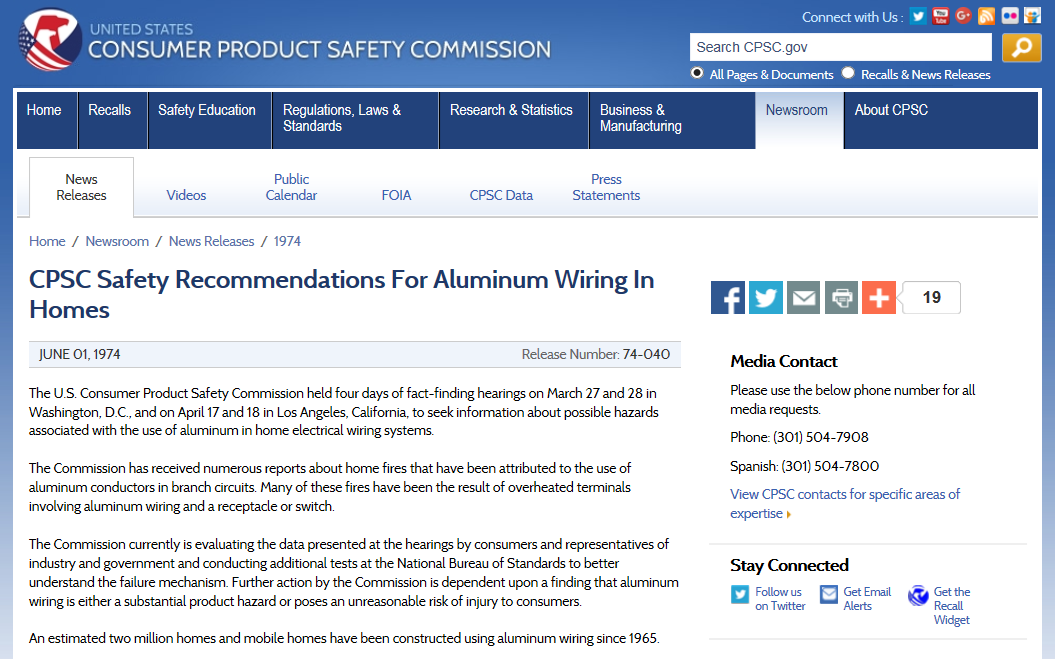
Aluminum wiring was used in branch circuit wiring within homes from 1965 to the mid 1970s.  And it’s been estimated that this wiring was installed in around 2 million homes during that time.  Aluminum wiring used in these branch circuits (the circuits that run your outlets and lights) has been shown to be a fire hazard unless approved methods for connections are implemented by a electrician. This is why ongoing safety monitoring and prevention measures like Fire Watch Services in Seattle are often relied on in high-risk environments.

It’s important to understand the facts and to understand the next steps.  The Consumer Products Safety Commission has some solid publications on the topic.

Aluminum Wiring - CPSC

See their 1974 News Release on the wiring: http://www.cpsc.gov/en/Newsroom/News-Releases/1974/CPSC-Safety-Recommendations-For-Aluminum-Wiring-In-Homes/

See their publication on Aluminum wiring: https://www.cpsc.gov//PageFiles/118856/516.pdf

The bottom line is that if your home has aluminum wiring in single strand branch wires, you have several options per the CPCS publication.  But you need to have a competent electrician to inspect all the connections and to ensure the proper steps have been taken to ensure safety.

At Mint Home Inspection, I am always looking for the presence of aluminum wiring during an inspection, and work hard to communicate to my clients about their particular situation.  It’s all about communication and keeping things in perspective.

Please consider Mint Home Inspection, LLC for your next home inspection.

Have a great day.